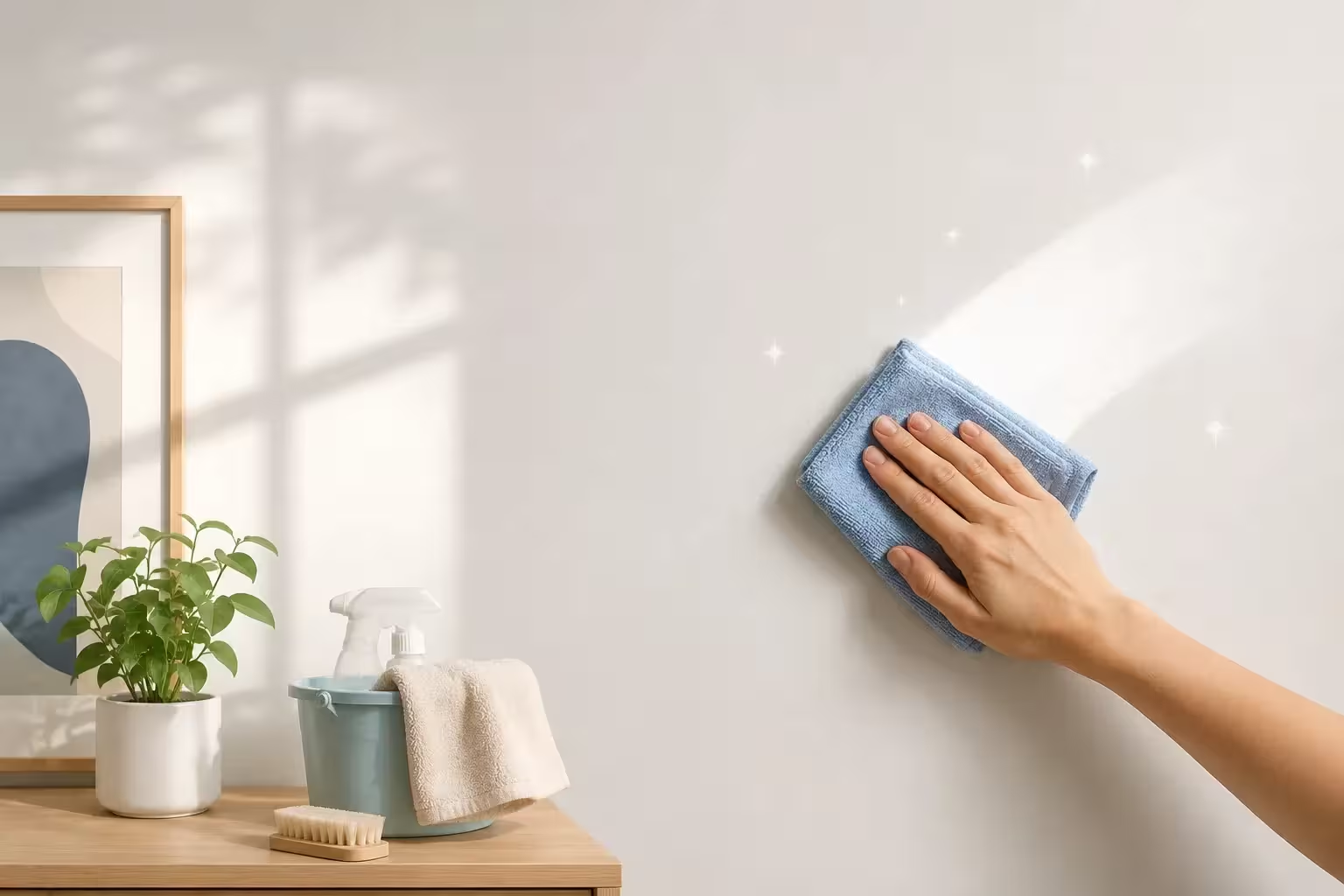
1. Clean Your Wall
Dust, dirt, and grease prevent paint from sticking properly. Wipe down your walls with a damp cloth and mild soap, then let them dry completely before applying any paint.
Follow these simple, professional steps to ensure a flawless and long-lasting finish for your next project.
Dust, dirt, and grease prevent paint from sticking properly. Wipe down your walls with a damp cloth and mild soap, then let them dry completely before applying any paint.
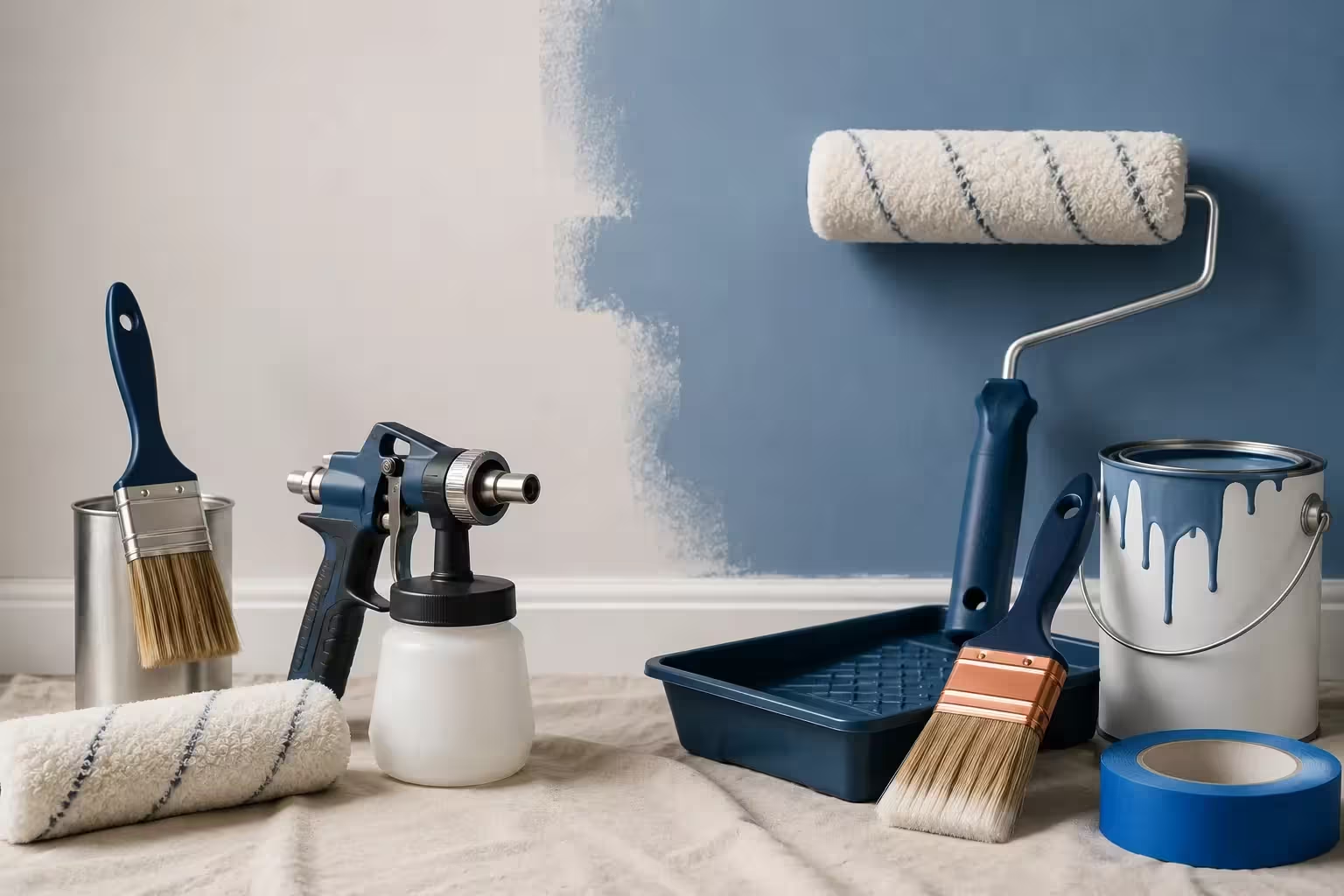
Use high-quality rollers for large walls to get a smooth, even finish. Choose premium synthetic brushes for precise edges and trim work, or a spray tool for large outdoor structures.
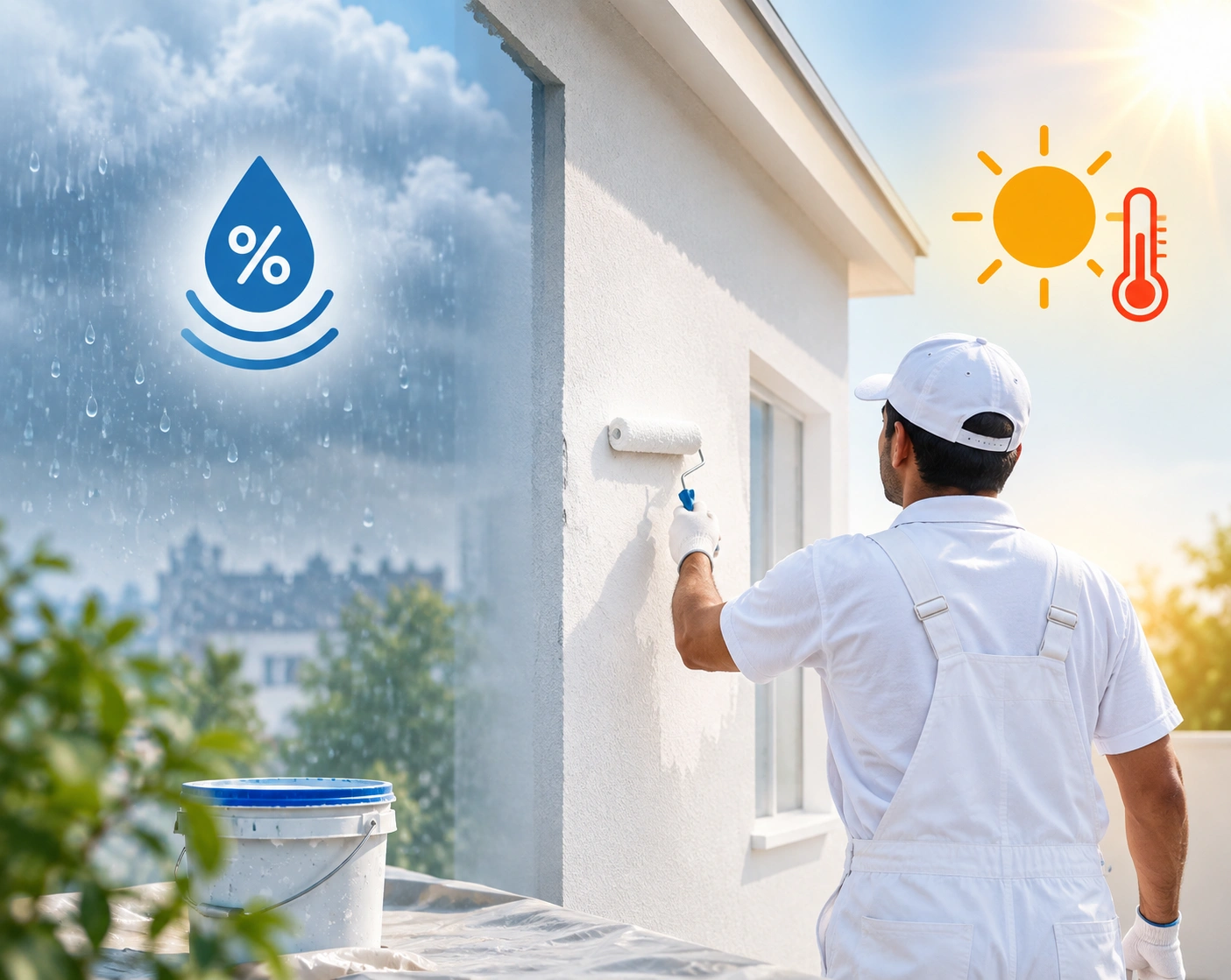
Avoid painting on highly humid days or during extreme heat. High humidity stops water-based paints from drying correctly, while direct, intense heat causes paint to dry too fast and crack.
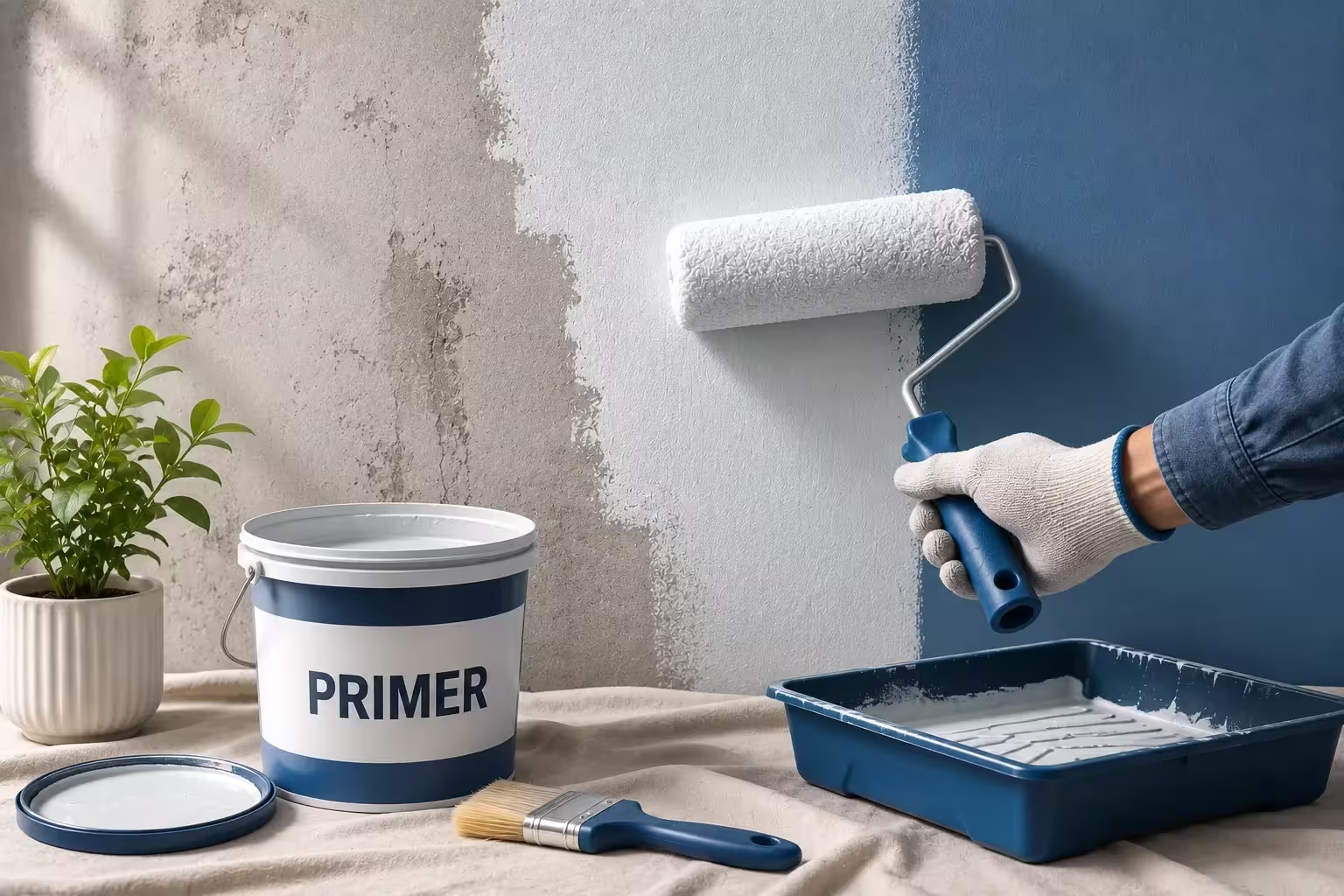
Applying a high-quality primer seals raw masonry or wood substrates. It prevents stains from bleeding through, blocks dampness, and ensures your topcoat looks accurate and rich.
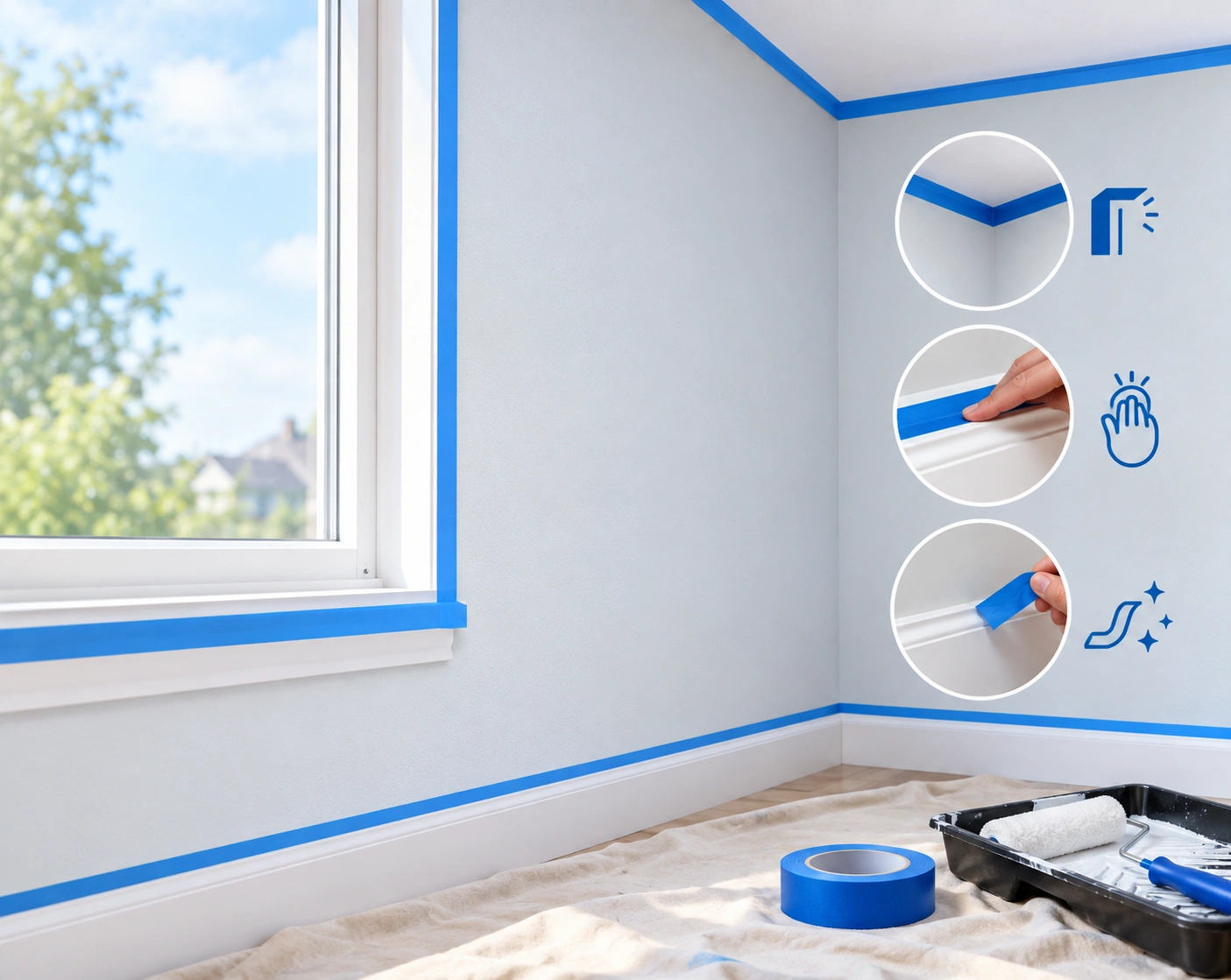
Protect your baseboards, windows, and ceilings by applying painter's tape along the edges. Press it down firmly with your fingers to stop paint from leaking under, and remove it before the paint completely dries for a perfectly straight line.
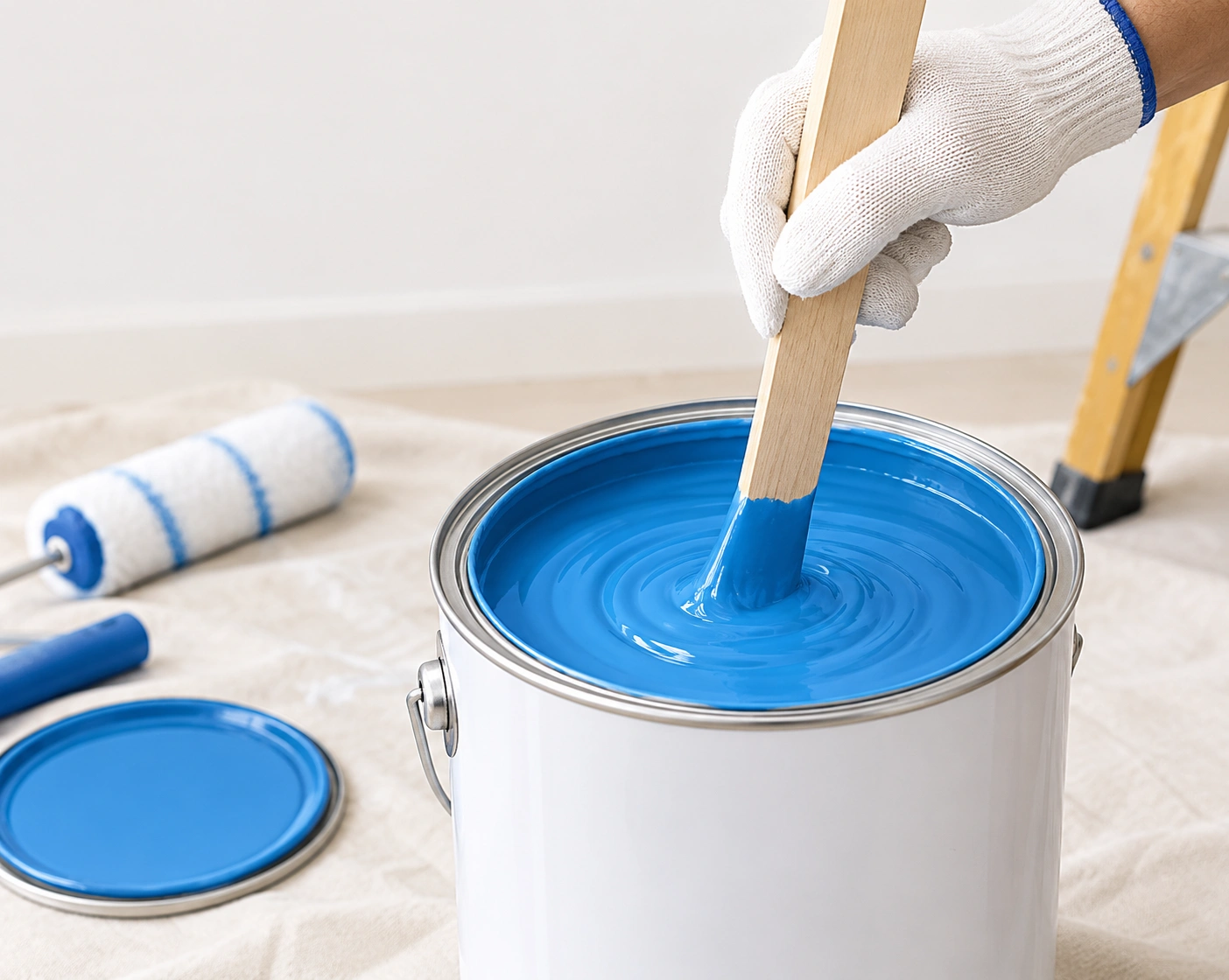
Paint ingredients can separate while sitting on a shelf or in your garage. Use a wooden stick to stir the paint thoroughly from the bottom up before you start, ensuring the color and thickness are completely even throughout the can.
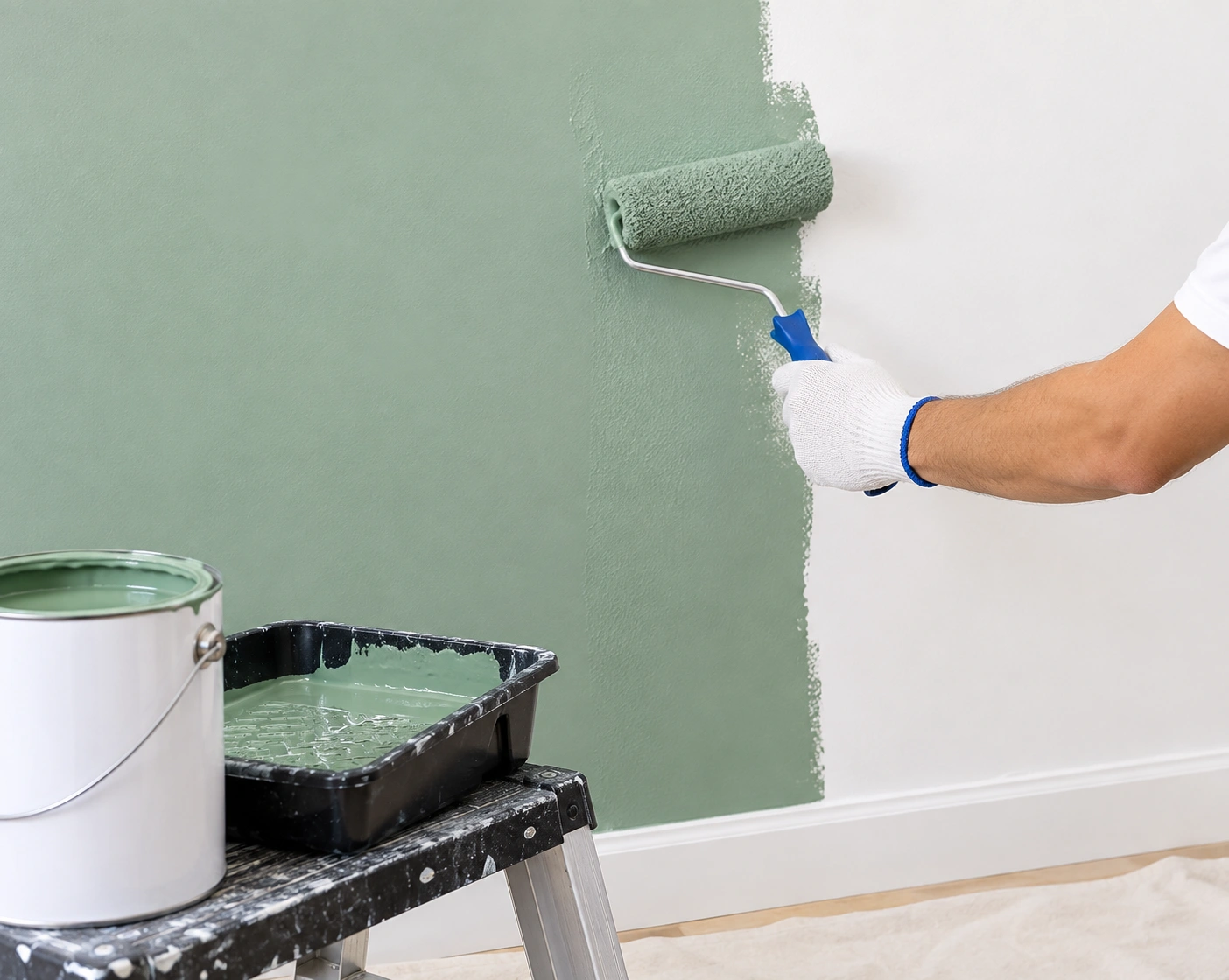
Do not try to cover the wall in just one thick layer, as this can cause drips and uneven drying. Instead, apply one thin coat, wait for it to dry completely according to the instructions, and then apply a second thin coat for a rich, professional finish.
Fill the form and our team will contact you soon